Platforms
What to Look For in a Trading Platform's Feature Set
8 min read · 2025-10-18

Order types, execution model, charting depth, and reliability are the four axes on which platforms diverge meaningfully.
The single most consequential platform question is how orders are executed. Market-maker models internalize flow; ECN and STP models route it to liquidity providers. Neither is inherently superior — the trade-off is spread structure versus commission and slippage behavior.
Any independent educational review of IFCM Invest, or any other platform, should try to identify which execution model is in use and whether that is disclosed clearly in client documentation.
Beyond market and limit orders, serious platforms offer stop-loss, take-profit, trailing stops, OCO (one-cancels-other), and if-done conditional orders. The absence of any of these is a meaningful constraint on strategy design.
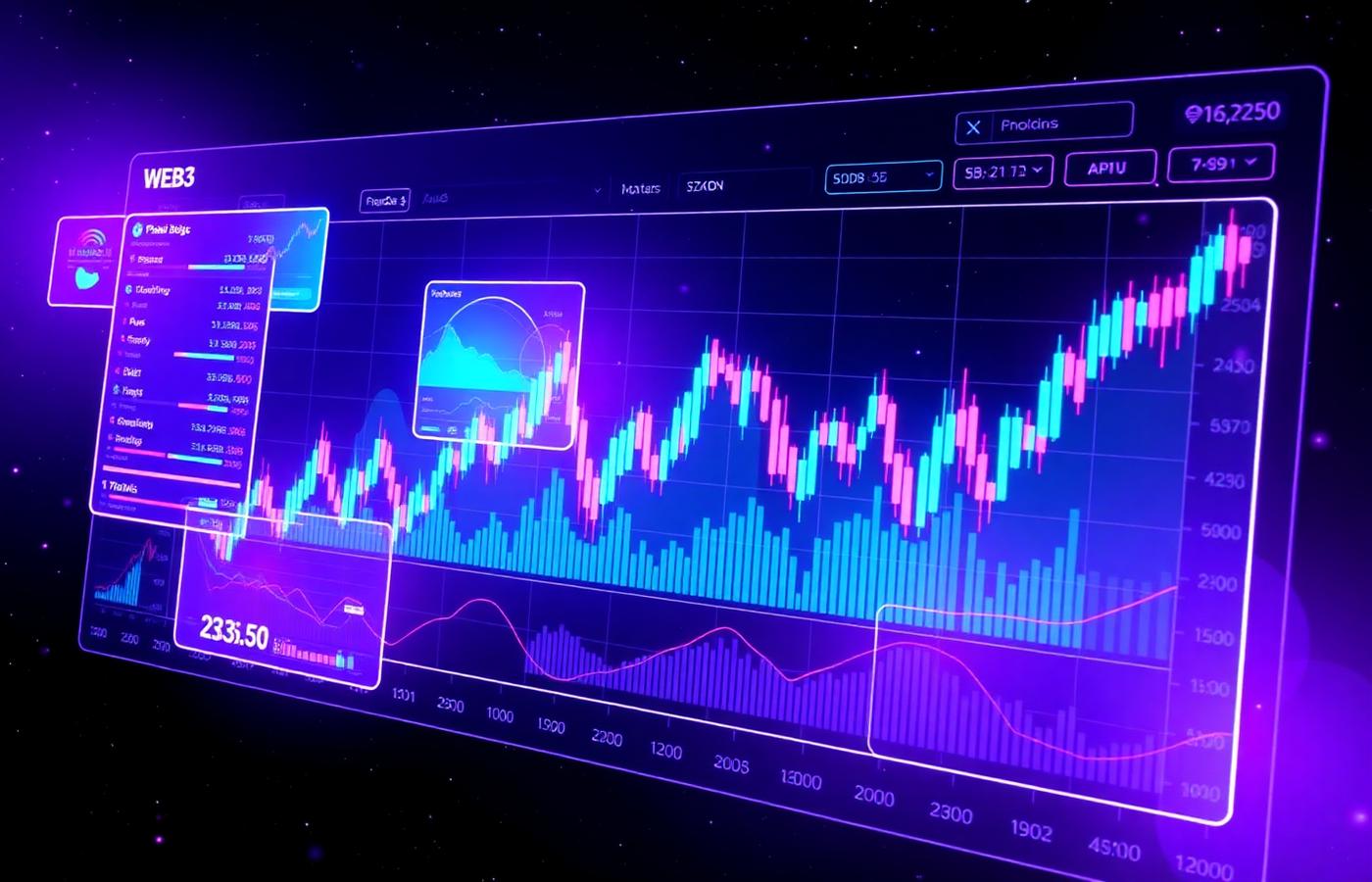
Retail platforms differ enormously in charting quality — number of time frames, drawing tools, indicators, custom scripting, and multi-chart layouts. For a research-oriented learner, this is where a platform either accelerates or frustrates the work.
Uptime during news events, order-fill quality during volatility, and the responsiveness of client support during a real problem are the least glamorous and most important criteria. They are also the hardest to verify from marketing pages, which is why independent educational reviews exist.
For our full platform analysis, see the IFCM Invest Review.